Five Technologies, 50+ Materials
Choosing the right combination of process and material is the key to a successful 3D print. Different technologies each have their trade-offs in precision, strength, surface quality, cost, and lead time. Our system automatically recommends based on your requirements — or contact an engineer for expert guidance.
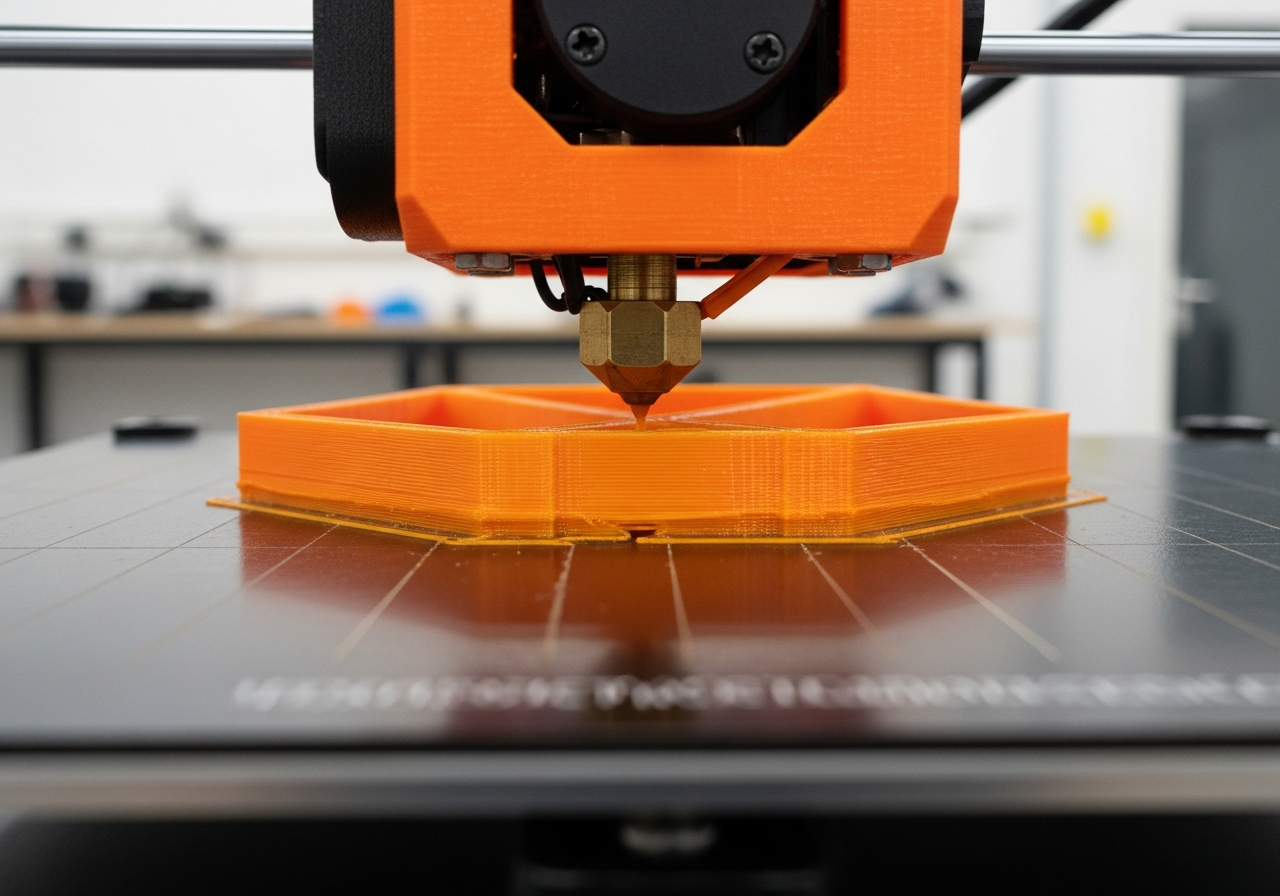
FDM — Fused Deposition Modeling
The most widely used 3D printing process, building parts by melting and extruding thermoplastic filament layer by layer. Lowest cost, largest build volume, and widest material variety. Ideal for large structural prototypes, functional test parts, and everyday-use components. Layer lines are visible and precision is relatively low — post-processing is typically needed to improve surface quality.
Available Materials
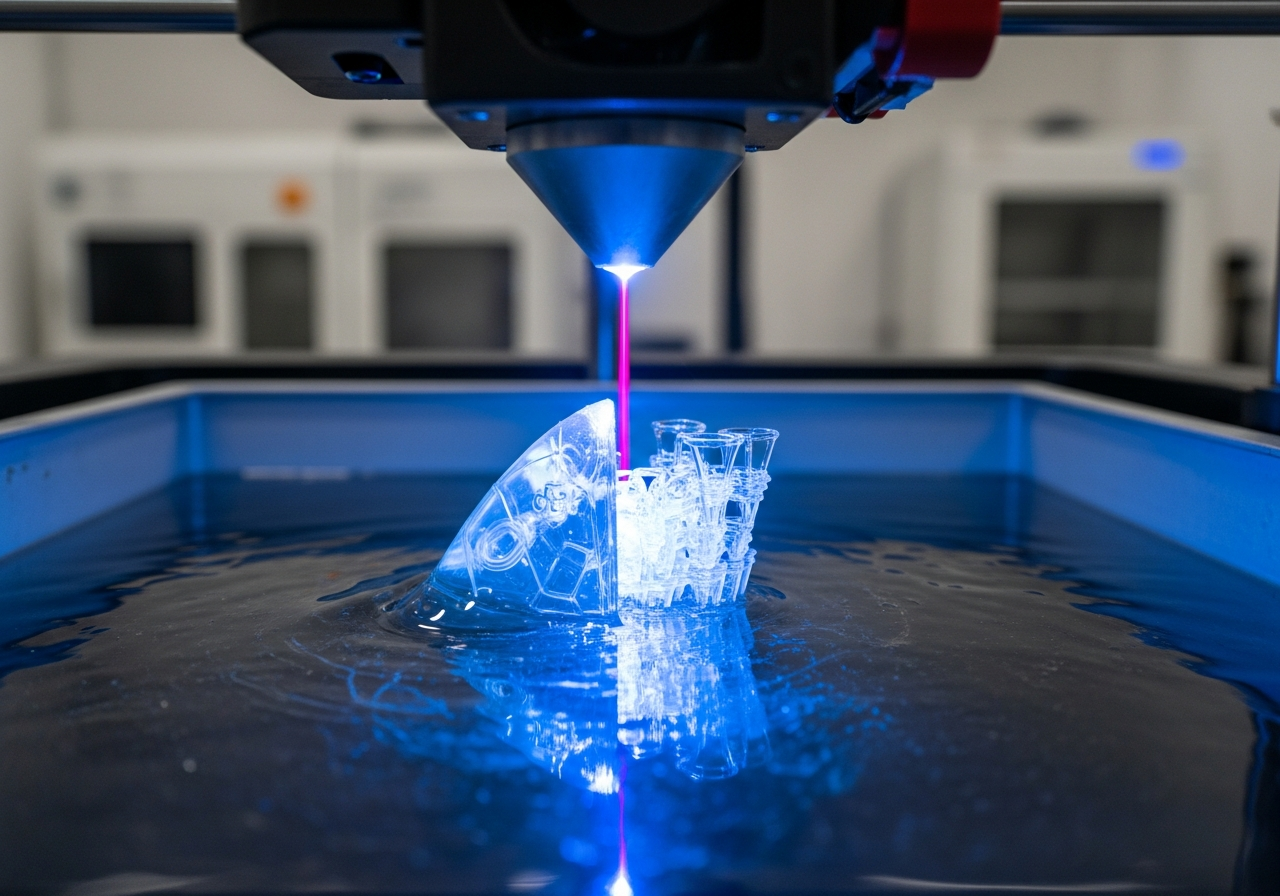
SLA — Stereolithography
Uses a UV laser to cure photosensitive resin layer by layer — one of the highest-precision 3D printing processes available. Produces smooth, fine surfaces with excellent detail reproduction. Especially suited for parts requiring high accuracy and intricate features. Supports a wide range of functional resins including biocompatible, tough, high-temperature, and transparent options.
Available Materials
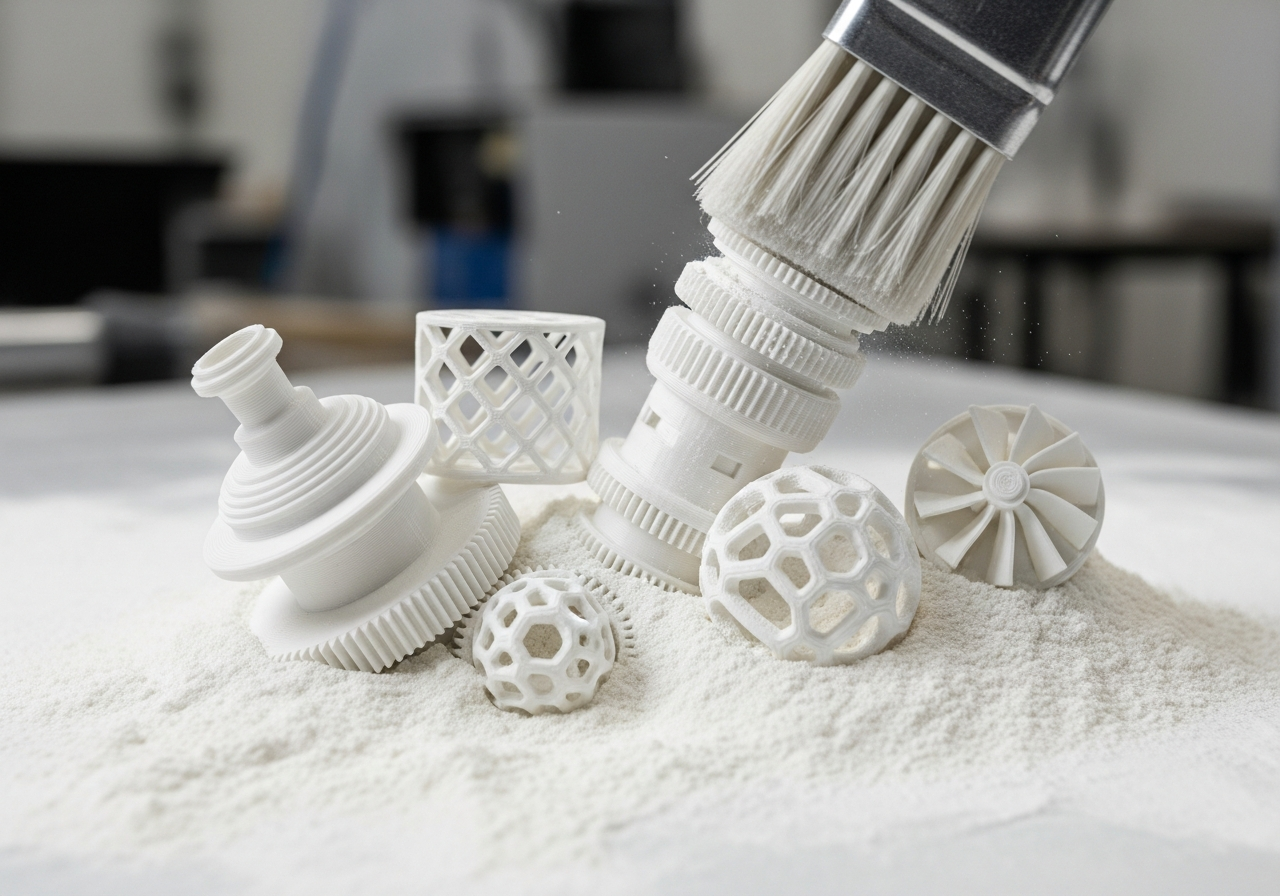
SLS — Selective Laser Sintering
A laser selectively sinters nylon powder with no support structures needed, enabling highly complex internal cavities and nested geometries. Finished parts exhibit excellent mechanical properties comparable to injection-molded nylon. Widely used for industrial functional parts, medical devices, and small-batch automotive components. The powder bed allows multiple nested parts to be produced in a single run.
Available Materials
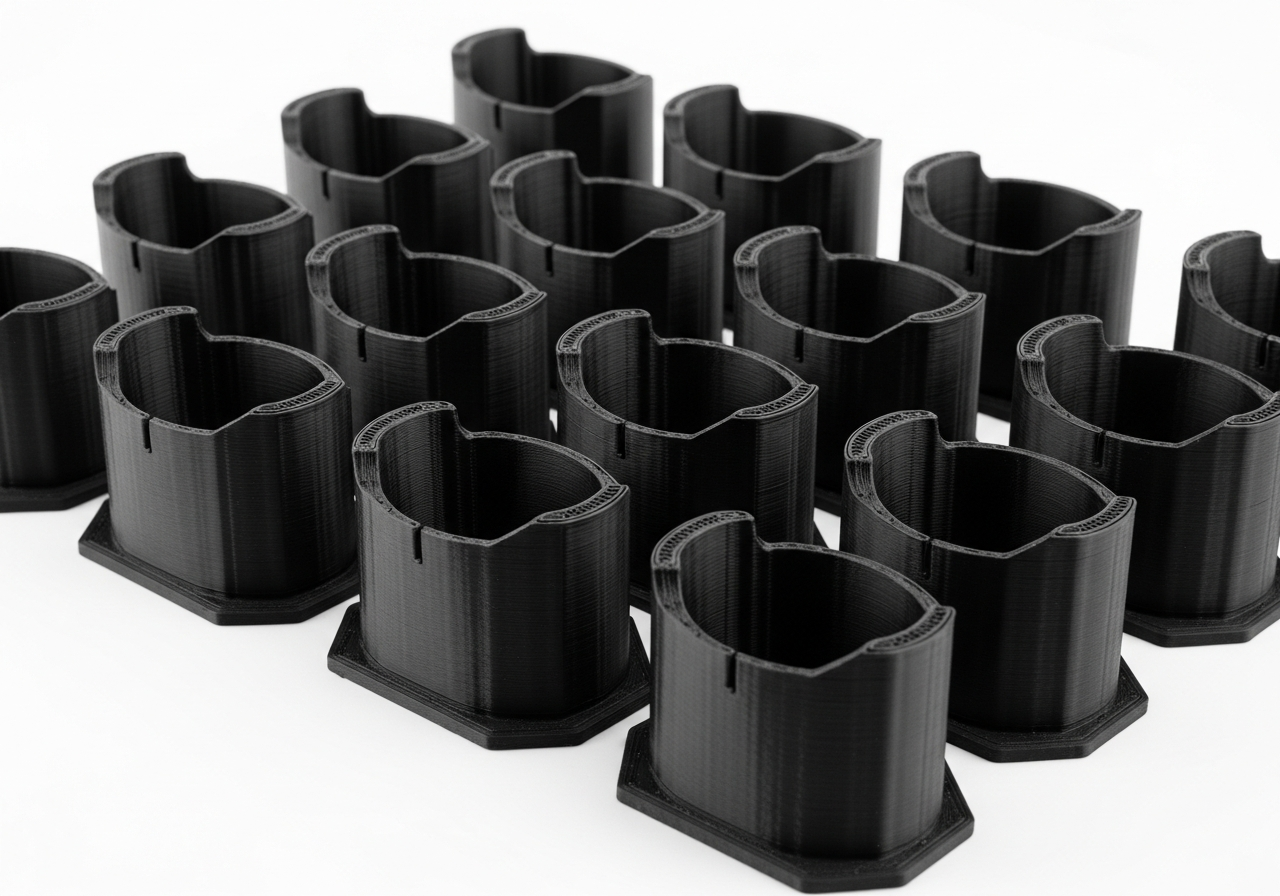
MJF — Multi Jet Fusion
HP's industrial-grade printing technology fuses powder material by jetting fusing and detailing agents followed by infrared curing. Batch production throughput far exceeds SLS, with more uniform part density and better isotropy. Supports full-black and full-color printing — the preferred process for high-volume, high-performance nylon end-use parts across consumer, medical, and automotive applications.
Available Materials
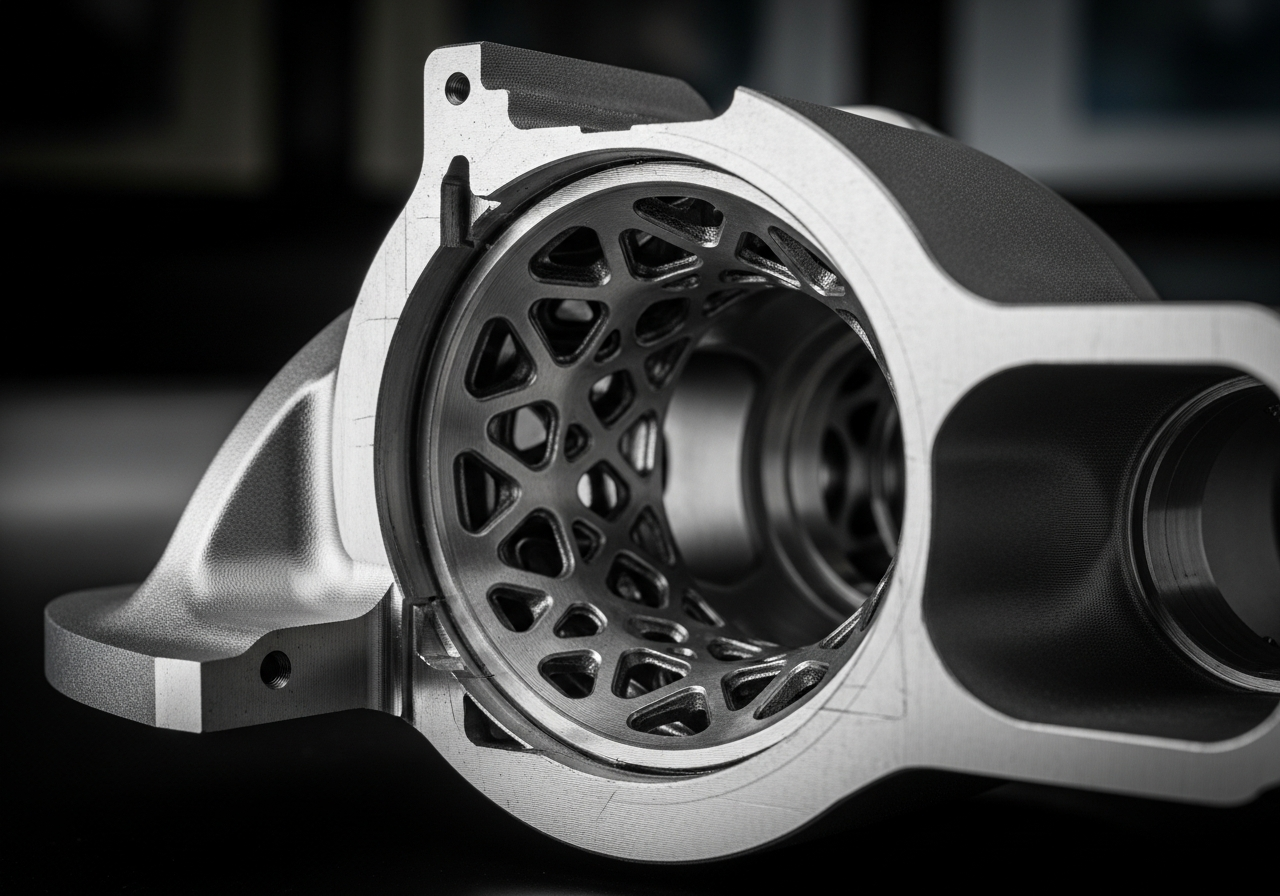
Metal Printing — SLM Selective Laser Melting
A laser fully melts metal powder particles, producing parts with mechanical properties comparable to forged metal at near-100% density. Enables complex internal channels, lattice structures, and other geometries impossible with traditional machining. Widely used in aerospace, motorsport, medical implants, and high-end industrial components. Longer lead times and higher cost — best suited for high-value functional parts.